Extra virgin olive oil directly from the producer: why it's worth it and how to choose it
On the shelf they all look the same: dark bottles, golden labels, the word «extra virgin» in plain sight. And yet behind two almost identical bottles there can be two opposite worlds: an oil from a single Italian harvest, or a blend of different origins bottled months earlier, perhaps on another continent.
You can’t tell the difference through the glass. You tell it from the information. And the information, when you buy extra virgin olive oil directly from the producer, is all right there: who made that oil, where, from which olives, and when. Buying good extra virgin oil isn't a matter of luck. It's a matter of knowing what to ask, and buying it where the answers actually exist.
Buying from the producer does not just get you a fresher oil. It gets you an oil whose story you know.
What «directly from the producer» means
When you buy from the producer, there is no middleman between the field and your kitchen. It is the short supply chain: the same hands that harvest the olives mill them, bottle the oil and ship it to you. No wholesaler, no step where the product changes hands, and no anonymous blend put together to make up volume.
The difference isn't romantic, it's concrete: an oil made and sold by the same producer comes with its own traceable history. You know which olives it came from, when they were harvested, and how it was processed. It is the exact opposite of the generic-origin oil that fills the supermarket shelves.
The real benefits of the short supply chain
- True freshness. Extra virgin olive oil doesn't improve with age: it is at its best in the months immediately following the harvest. From the producer, you get oil from the latest harvest campaign, not a bottle that has been sitting for months in a warehouse and then on a shelf.
- Full traceability. Cultivar, production area, harvest period: the producer can tell you everything, because they made that oil.
- Better value for money. You pay for the oil, not for the steps. The quality you receive is that of a product that did not have to pay tolls along the way.
- A direct connection. You can ask questions, get advice, understand how it was made. You buy from a company with a name, not from a barcode.
What to check before buying (especially online)
Buying from the producer is easy today even from a distance: serious producers sell their oil online with home delivery. Before completing your order, though, it is worth checking a few details that separate a good purchase from a blind one.
- The full legal denomination. It must say «extra virgin olive oil»: it is a legal category with precise quality thresholds, not a slogan.
- The harvest year, not just the expiration date. It is the information that tells you how fresh the oil is. A transparent producer states the harvest year.
- The cultivar. A single-cultivar oil (from one olive variety) or a declared blend tells you about a precise identity. If it is written on the label, it is a good sign.
- The wording «cold extracted». It is not marketing: it is protected by law.
- How it is protected and shipped. Oil fears light and heat: dark bottles and careful packaging say a lot about how serious the seller is.
Learning to evaluate an olive oil thoroughly, recognizing its merits and defects through tasting just like a professional taster, is an extra step. We cover this in our guide "How to Recognize a Quality Extra Virgin Olive Oil."
Signals of a reliable producer
Not all producers are created equal, and certain clues separate those who truly have something to show from those who merely evoke it. A reliable producer doesn't hide the numbers: they declare the cultivar, state the harvest date, and share details about the territory and processing methods. And when they offer high-end oils, they make the lab analyses available.
Classifying an oil as "extra virgin" is not a self-certification: sensorially, it passes through a panel test, the official evaluation by a group of tasters verifying the presence of merits (fruity, bitter, pungent) and the absence of defects. A producer showing you these data is offering you proof, not a promise.
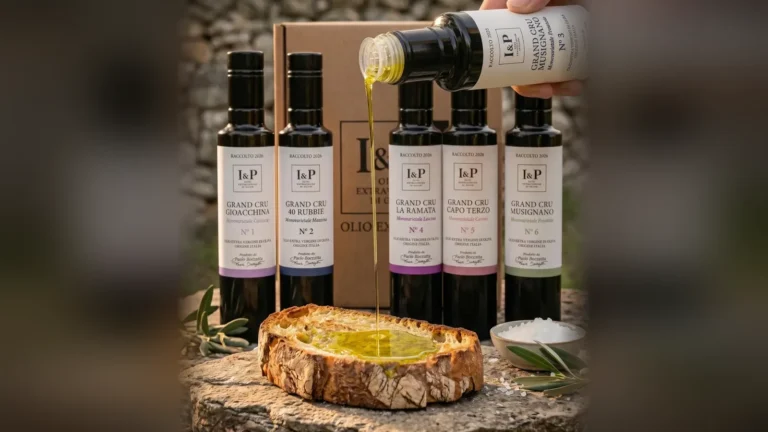
I&P Grand Crus state cultivar, harvest year, and the label "cold-extracted" right on the label. Acidity, peroxides, total polyphenols, and panel test results are documented for every harvest year and available on each individual oil's page.
Analyses are entrusted to Dr. Alfredo Marasciulo, MIPAAF Panel Leader, and the Chemiservice laboratory in Bari.
Online or at the mill: two ways to buy directly from the source
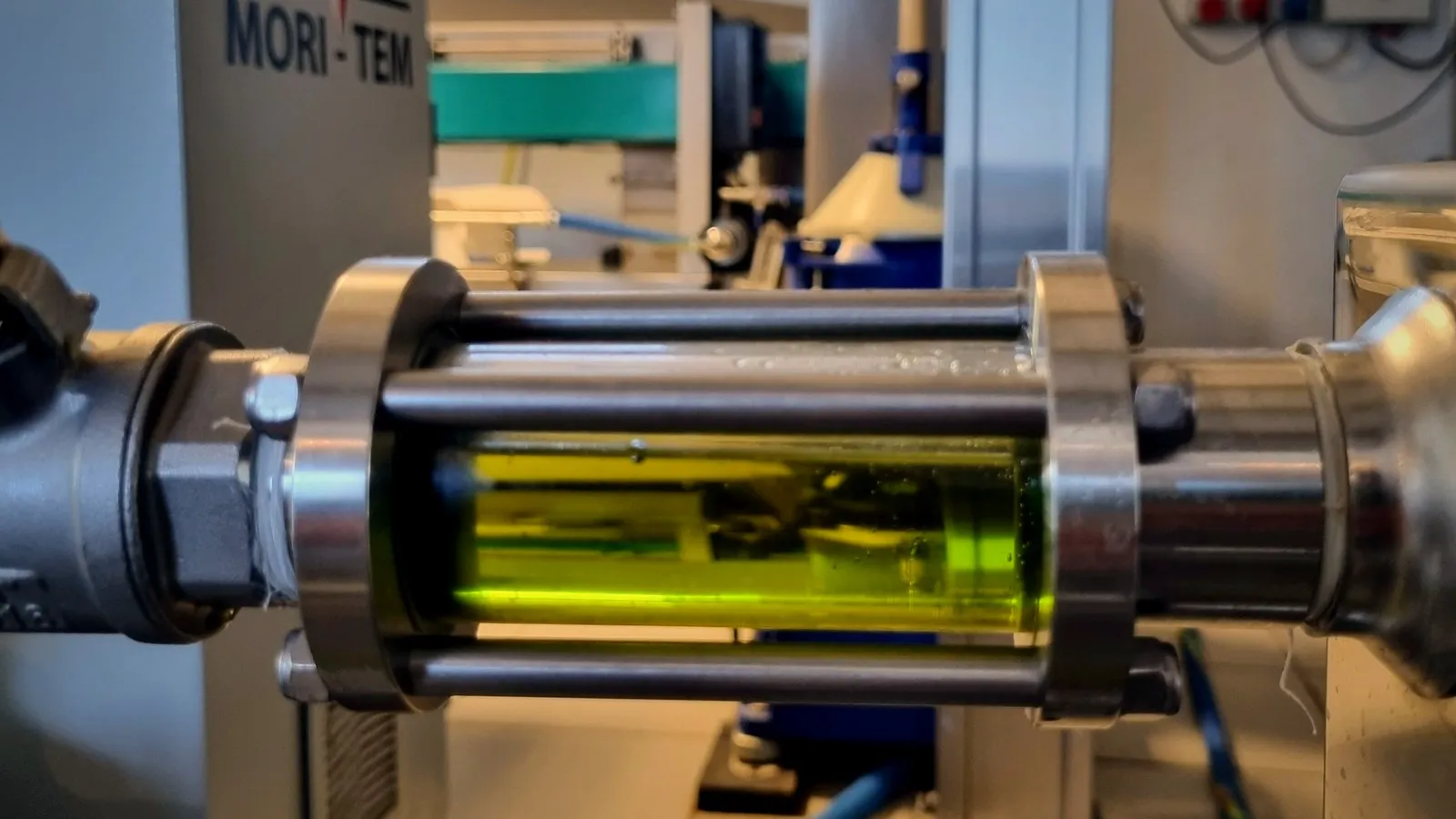
Buying directly from the producer doesn't necessarily mean staying in front of a screen. There are two paths, both equally authentic. The first is ordering online: you choose, order, and receive the bottles at home within a few days. The second is a visit to the oil mill: seeing with your own eyes where the oil is born, smelling the aroma of freshly crushed olive paste, tasting it right on the spot. It is an experience no supermarket shelf can offer — and one that often permanently changes the way you look at a bottle.
I&P is a family-run oil mill in Canino, in ancient Etruria, producing single-varietal extra virgin olive oil and selling it directly: from tree to bottle, everything under one roof.
You can buy it online with home delivery, or come discover it in person with oil mill experiences during the harvest months.
Buying well, in short
| What to look for | GOOD SIGN | Alarm bell |
|---|---|---|
| Origin | Declared company and area | «Blend of EU / non-EU oils» |
| Harvesting | Harvest year or date indicated | Expiration date only |
| Processing | «Cold extracted» (max 27 °C) | No indication on the method |
| Cultivar | Single-varietal or declared blend | No variety stated |
| Transparency | Analyses and panel tests available | No data, no name |
In the end, buying extra virgin olive oil directly from the producer is the simplest way to avoid trusting blindly: you know what you are buying because you can ask the people who made it. Once you get into the habit, the supermarket shelf is never the same again.
Buy extra virgin at the source
Single-cultivar extra virgin olive oil, from the I&P family mill straight to your home. Free shipping across Italy on orders over 99 €.