The health you look for in a pill, you lose in your everyday oil
A few weeks ago I was looking at search data related to our sector. At the top, well ahead of everything else connected to food and self-care, were vitamins and supplements. It is a snapshot of my dashboard on one specific day, not a national statistic, but it says something true: when it comes to health, the first move is almost always the same, opening a box.
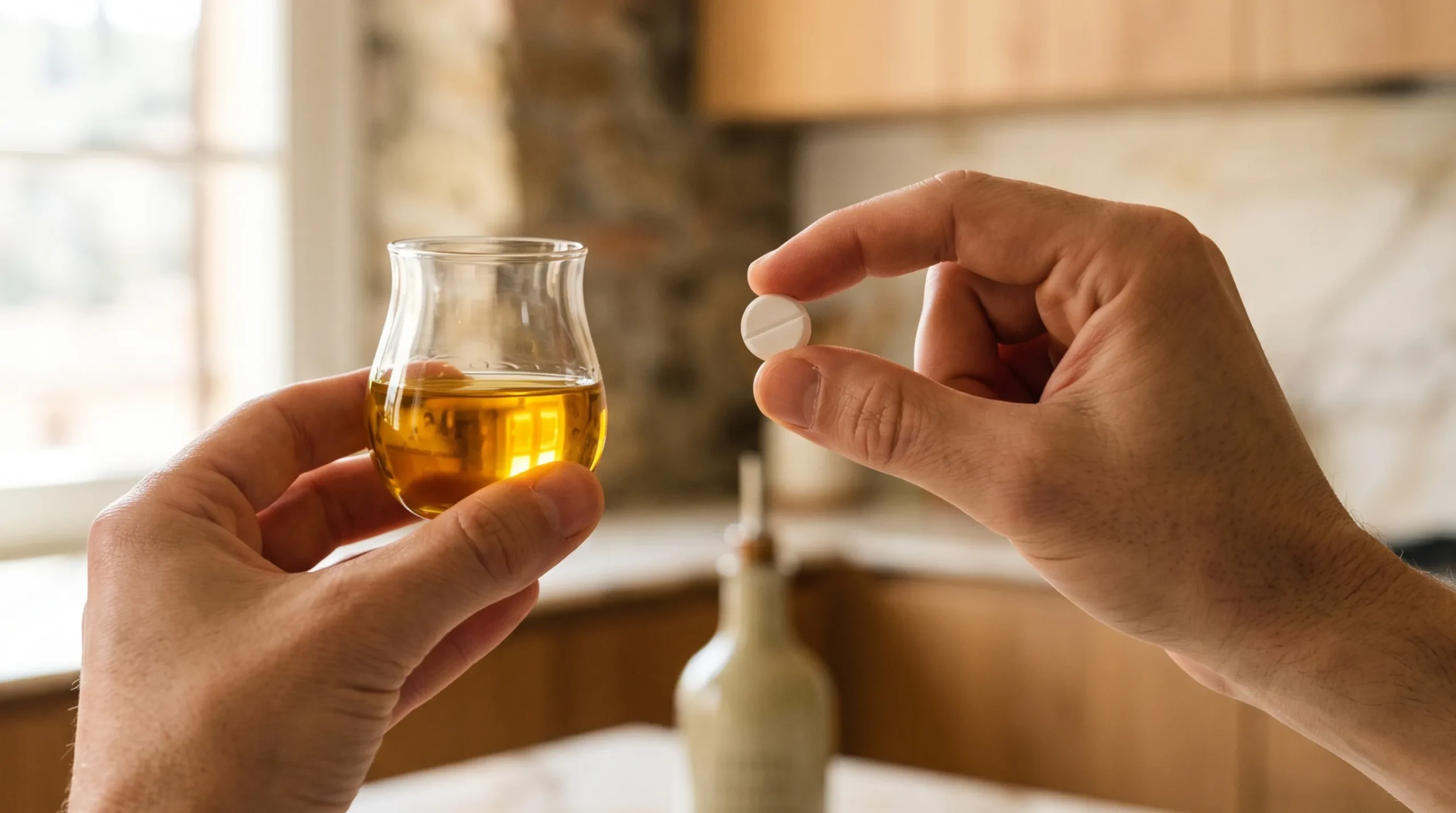
Then, in the evening, the same person who has just carefully chosen a supplement dresses the salad with the cheapest bottle of oil on the shelf, picked up without looking at the harvest date, without wondering how long it has been sitting under the supermarket lights. It is a silent paradox: we look for health in a capsule and let it slip away in a gesture we repeat three times a day.
An olive oil isn't born depleted; it becomes that way.
Polyphenols, the compounds behind much of the nutritional value of extra virgin olive oil, are not a fixed feature printed forever in the bottle. They break down with time, heat and above all light.
A study led by Prof. Emilio Marengo of the University of Eastern Piedmont compared oils stored in different packaging: bag in box, PET, can, clear glass, dark glass. The result is clear. An oil in a clear glass bottle, exposed for a few months to lighting similar to a supermarket’s, can lose up to 96% of its polyphenols. One stored in an opaque container, over the same time, loses about 25%.
Light triggers photo-oxidation: the chlorophyll in the oil reacts with the radiation and breaks down the very natural antioxidants that should make the difference. Heat speeds up the same process and encourages rancidity.
A common misconception is that the words “extra virgin” on the label guarantee an oil rich in polyphenols. They do not: they only mean the oil meets a legal limit for acidity and peroxides; EEC Regulation 2568/91 sets acidity below 0.8% and peroxides below 20 meq O₂/kg. An oil can legally remain extra virgin even when it has already lost most of its antioxidant content: the legal category says nothing about the real freshness of what you are about to pour.
The scrutiny we give the pill, and deny the oil
In front of a supplement, almost everyone checks something: the dosage, the active ingredient, sometimes even the batch. In front of oil, the same gesture disappears. We look at the price, sometimes the brand, rarely the harvest year or how it has been stored. And yet oil is consumed in much larger amounts, every day, on almost every dish.
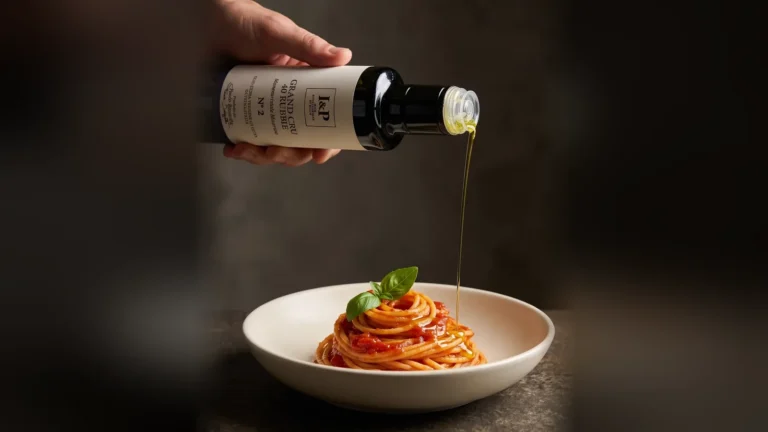
It is the same kind of attention, moved to a different product. An oil bought with the care you would give a supplement, checking when it was harvested and how it was bottled, behaves completely differently from one picked up at random. On our Grand Cru oils the harvest year is always on the label, and the polyphenols are certified year by year by Dr. Alfredo Marasciulo, MIPAAF Panel Leader, and by the Chemiservice laboratory in Bari: in the 2025 harvest they range from 336 to 746 mg/kg, well above the 250 mg/kg the European Union recognizes as the threshold for the claim on protection from free radicals (EU Regulation 432/2012). These are verifiable numbers, not a promise on a label.
For the full scientific breakdown of how these polyphenols work, along with the underlying research, read our article Health Benefits of Extra Virgin Olive Oil: What the Science Says. For practical tips on identifying degraded or old olive oil before you buy, explore our complete guide in Counterfeit Extra Virgin Olive Oil: How to Spot It in 7 Telltale Signs.
An oil that does double duty
A supplement, at best, does one thing: it delivers a substance in a measured dose. A well-chosen oil does two things at once, in the same gesture: it brings the same protective compounds the Mediterranean diet is rich in, and it gives flavor, the fruitiness, bitterness and pungency that turn a dish into something more than a meal.
No pill has ever made a bruschetta taste better. It is the only “health product” you can taste, and also the only one you can ruin simply by leaving it too long under the wrong light.
- The polyphenols in extra virgin olive oil break down with light, heat and time: they are not a fixed feature of the bottle.
- A study by the University of Eastern Piedmont (Prof. Marengo) measured up to 96% of polyphenols lost in clear glass exposed to supermarket-like conditions, against 25% in opaque containers.
- “Extra virgin” on the label only means the legal limits for acidity (below 0.8%) and peroxides (below 20 meq O₂/kg) are met, not the polyphenol content.
- I&P Grand Cru oils show the harvest year and certified polyphenols, 336-746 mg/kg in the 2025 harvest, well above the 250 mg/kg threshold recognized by the EU.
- Before buying, look at what you would look at on a supplement: harvest date, type of container (dark or opaque is better), declared polyphenols.
It is not extra virgin olive oil that is weak. It is the oil left too long on the shelf that has become weak, before anyone even opened it.
An olive oil with the harvest campaign on the label
Our Grand Cru oils always show the harvest year and the polyphenols certified harvest by harvest. If you do not know where to start, the quiz helps you find the right oil.